

From 5 to 9 October, NHS and the BMA are celebrating SAS Week – a week meant to showcase the SAS pathways, the contributions SAS doctors make to patient care, service delivery, and the wider NHS workforce.
This year, the British Cardiovascular Society launched a new membership category, SAS Ordinary membership, aimed at Specialty and Specialist (SAS) doctors working in cardiology. To celebrate SAS Week, we reached out to our SAS Ordinary members and invited them to share insights about their career so far.
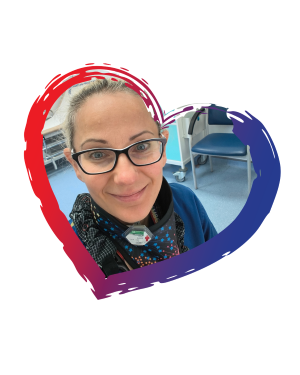
Dr Erika Kocsis
SAS Cardiology Registrar, East Surrey Hospital
I completed my medical training in Hungary, where I really enjoyed my work and was fortunate to work in a department where I progressed through my training and took on increasingly senior responsibilities. When I moved to the UK for personal reasons, I decided to restart my UK career as a Trust Grade Junior Clinical Fellow in general medicine, despite my previous NHS experience, as I felt it was important to understand the NHS properly, gain experience across different specialties and establish myself within a new healthcare system.
I initially spent around seven months working in respiratory medicine before moving to my current Trust, which was closer to our family home. Here, I was able to rotate through cardiology, haematology, stroke medicine and orthogeriatrics, alongside gaining further general internal medicine experience. Following maternity leave, I worked at registrar level in acute medicine, which provided valuable experience in managing acutely unwell and complex medical patients.
However, cardiology had always been the specialty I wanted to pursue in the longer term. As a mother with limited family support, and with my husband also working as a hospital consultant, entering a traditional full-time rotational training programme was not the most suitable option for our family circumstances.
I chose to develop through the SAS pathway and currently work as an SAS Cardiology Registrar. My role is broad and includes outpatient clinics, acute and inpatient cardiology, coronary angiography, cardiac imaging, multidisciplinary working, teaching and service development. I have particular interests in interventional cardiology and cardio-obstetrics, which I hope to continue developing as my career progresses.
Speaking of progressing, one of the misconceptions about SAS doctors that I think unfortunately still exists is that choosing an SAS doctor career means choosing not to progress. Personally, I do not believe that professional progression has to be defined by being in a formal training programme.
I was fortunate to learn very early in my career in Hungary, while working in a department I loved, that medicine never stands still. Knowledge, evidence and technology are continuously developing, and as doctors we need to continue learning throughout our careers. For me, progression starts with having your own professional goals, recognising the areas in which you still need to develop, and taking responsibility for working towards them. Being in a formal training programme does not automatically guarantee continued development, just as being outside one does not prevent it.
At the same time, I recognise how important good supervision and departmental support are. I am particularly fortunate to have an excellent educational supervisor, Dr Shrilla Banerjee, whose guidance, encouragement and continued support have been invaluable in helping me identify opportunities for development and work towards my longer-term career goals. I genuinely appreciate the time and support she has given me throughout my development as an SAS doctor. I am also very grateful for the support of the wider consultant team within my department, who encourage my development and provide opportunities for me to gain experience across different areas of cardiology.
There are, however, challenges. One potential limitation for SAS doctors developing a specialist career is gaining structured exposure to tertiary-centre and highly specialised training opportunities. At present, I am continuing to build as much experience and evidence of competency as possible within my current role and to identify opportunities that will help me progress towards my longer-term goals. For me, the pathway may be different from traditional training, but the ambition, responsibility and commitment to becoming a highly skilled and well-rounded cardiologist are no different.
As an SAS doctor, particularly when working outside a rotational training programme, it can sometimes be more difficult to establish wider networks and gain exposure to tertiary centres and highly specialised areas of cardiology, so this is something I very much hope to build in the future within the BCS community.
I am grateful that BCS is giving SAS doctors the opportunity during SAS Week to share the different ways in which we contribute to cardiology. I hope that highlighting these different career journeys will also demonstrate that there is more than one route through which a doctor can continue to develop, contribute and progress within our specialty.

Dr Philippa Wallace
SAS Doctor in Cardiology, Worthing Hospital
I am a SAS doctor working down in Worthing. I completed my IMT in Worthing and built a strong relationship with the cardiology department. I have a young family, and unfortunately rotating within training would not have worked for my family, so I applied for a SAS doctor role within the department.
Staying within one department has been fantastic for developing our services, as I am able to be around to see projects through. I get immense satisfaction from service improvement, and this can only happen if you are within the department to experience it. It also provides continuity to staff, which helps build relationships within the team.
One particular project which has been a huge success has been improving our Rapid access chest pain clinic, alongside our radiology colleagues. Patients now receive investigations within a week of assessment, and get the results in person on the day. A process that in the past might have taken around 3 months is now taking one week. Our feedback so far has been incredibly positive, and it is a true joy to speak with patients and hear the positive impact.
I think at times people might assume that SAS doctors do not want to develop, or that we are doctors that have in some way failed by not following the conventional path. I hope that as the community grows, and as societies such as the BCS recognise us more and more, that the attitude will change. I feel that the BCS provide such incredible opportunities for education, and I look forward to experiencing more of what the society has to offer over time.
Editor’s note:
SAS Week is an NHS employers and BMA event. The British Cardiovascular Society currently offers an introductory SAS Ordinary membership as part of our commitment to supporting doctors throughout their careers. We have introduced this new membership offer to better recognise the important contribution Specialty and Specialist (SAS) doctors make to the healthcare profession. Find out more information on membership categories.